
Top 10 most common injuries in soccer: Is ACL No. 1?
The legs of a player are the instruments of both sublime artistry and profound suffering. From these very limbs, athletes carve out their legacies, ascending to the pinnacle of world fame with every sprint and strike.
Yet, these same foundations can crumble in an instant, leaving behind scars and chronic conditions that haunt a career long after the final whistle. No professional player traverses their journey without encountering the sting of injury. For some, misfortune dictates a narrative of "what could have been" rather than a gallery of trophies.
To understand the risks inherent in the pitch, one must examine: what are the common injuries in soccer? As Livescorecz observes, understanding these physical setbacks is essential for any fan or analyst who wants to grasp the true resilience required to survive at the elite level.
10 common injuries in soccer
1. Ankle sprains
Ankle sprains, arguably, are the most frequent setback on the pitch. Occurring when ligaments are stretched or torn, these injuries are classified into three types: lateral, medial, and syndesmotic. A lateral sprain, often triggered by kicking with the top of the foot, is the most frequent, while syndesmotic (high ankle) sprains result from extreme upward foot movement.
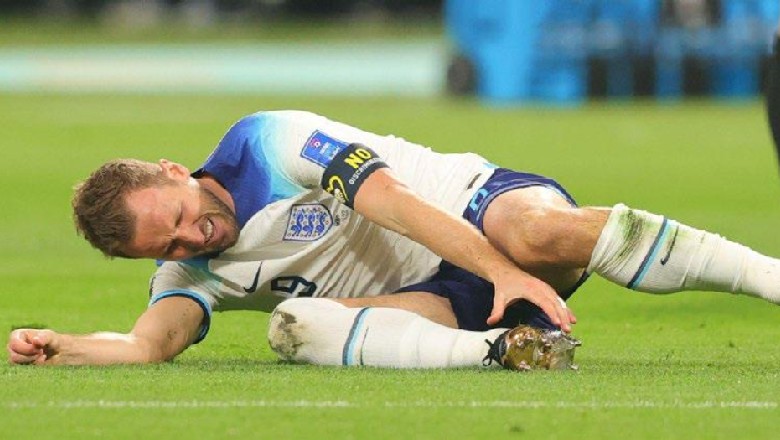
Statistically, ankle injuries account for nearly 20% of all soccer-related traumas. Depending on whether it is a 1st or 3rd-degree tear, a player may be sidelined anywhere from two days to three months.
2. Hamstring strains
Hamstring strains represent the nightmare of the modern sprinter. This injury involves the overstretching of the muscles at the back of the thigh, typically during explosive movements like sprinting or overextending while reaching for a ball.
Because soccer requires constant "stop-start" motions, the hamstring is under perpetual tension. A severe tear can sideline a star for 6 to 8 weeks, and recurrence rates are notoriously high, often leading to a loss of peak speed that can diminish a player's "architectural" value on the field.
3. Anterior cruciate ligament (ACL) tear
The third entry is the anterior cruciate ligament (ACL) tear, the most feared diagnosis in the sport. Occurring in the knee, the ACL is often compromised during sudden pivots, awkward landings after a header, or direct collisions from behind. Unlike minor strains, a complete ACL rupture almost always requires surgical reconstruction and a grueling 9 to 12-month recovery period. Livescorecz notes that ACL injuries have ended many promising careers prematurely, as the knee often loses the "rotational stability" required for elite-level maneuvering.
4. Meniscus tears
Furthermore, we must address meniscus tears, which affect the cartilage acting as a cushion between the thigh and shin bones. This injury is usually the result of the knee being forcefully rotated while the foot is planted.
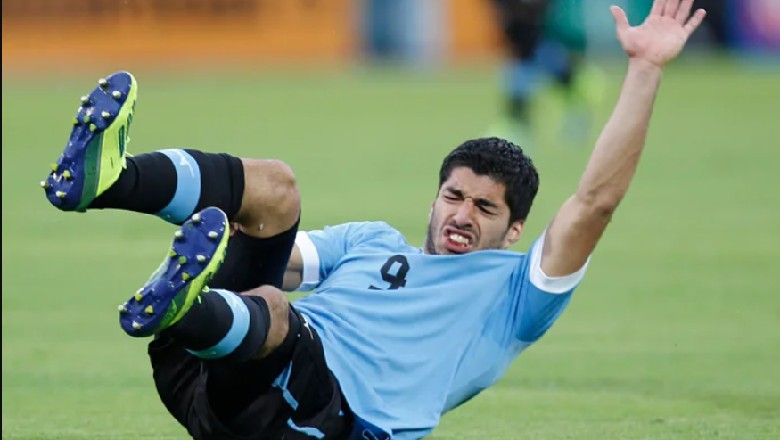
While less devastating than an ACL tear, it causes significant stiffness and swelling. If left untreated, a torn meniscus can lead to long-term osteoarthritis, a degenerative condition that effectively shortens a player's professional lifespan. Recovery typically spans 4 to 6 weeks following arthroscopic surgery.
5. Concussion
Next on the list is concussion, a "silent" injury caused by a quick blow to the head. In soccer, this most commonly occurs during aerial duels or collisions with the ground. Symptoms include nausea, confusion, and slurred speech.
Unlike physical wounds, brain injuries require total mental rest. Modern protocols now mandate that players be cleared by a medical professional before returning, as repeated concussions can lead to permanent neurological damage.
6. Achilles tendonitis
Achilles tendonitis is a condition caused by the overuse of the tissue connecting the heel to the calf. While it often begins as a dull ache, ignoring the pain can lead to a full rupture. A ruptured Achilles is a "season-ender," requiring surgery and months of rehabilitation. High-intensity players who ignore flexibility training are at the highest risk for this debilitating injury.
7. Groin strains (Adductor strains)
Groin strains (adductor strains) also haunt the modern game, particularly during forceful kicks or sliding tackles. When the inner thigh muscles are stretched beyond their capacity, players experience sharp pulling pains that make lateral movement nearly impossible. These injuries are often deceptive, as they may feel "healed" before a sudden lunge causes a painful relapse.
8. Shin splints
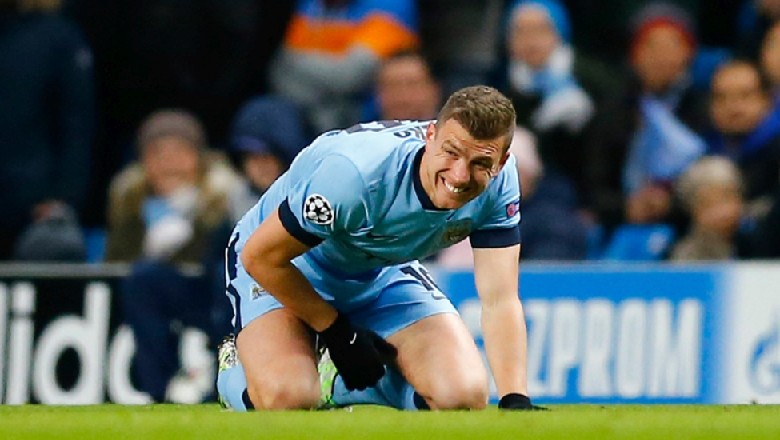
Shin splints or medial tibial stress syndrome is an overuse injury prevalent in players who train on hard surfaces or have improper footwear. The fatigue of the muscles around the shin bone causes the bone itself to absorb the shock of running, leading to achy, bruise-like pain. While rarely requiring surgery, shin splints can sideline a player for weeks if rest is not prioritized.
9. Quadriceps contusions
We also observe quadriceps contusions, colloquially known as a "thigh bruise." Unlike strains, this is caused by direct impact, usually a knee or cleat from an opponent striking the thigh.
This collision crushes muscle fibers and blood vessels, creating deep internal bleeding. While it sounds minor, a severe contusion can lead to "myositis ossificans," where bone tissue begins to grow inside the muscle if not treated with proper icing and elevation.
10. Wrist fractures
Wrist fractures are a significant concern, especially for goalkeepers. Whether it is a Colles' fracture from a fall or a Scaphoid fracture from catching a high-speed shot, these injuries can sideline a keeper for up to 6 months.
Because the wrist is essential for shot-stopping and distribution, any loss in range of motion after a break can be a career-threatening obstacle for those between the posts.
Top 10 most common injuries in soccer:
Ankle sprain
Hamstring strain
ACL tear
Meniscus tear
Concussion
Achilles tendonitis
Groin Strain
Shin Splints
Quadriceps contusion
Wrist fracture
As this analysis by Livescorecz.net has shown, the question of what the most common injuries in soccer are reveals a landscape of constant risk. For the players we admire, every moment of brilliance is balanced by the potential for a season-ending injury.
Don't let the fast-paced world of football pass you by. If you need a reliable, easy-to-use website to update the latest soccer news every hour, or if you are looking for multi-dimensional perspectives and objective data before and after every elite match, we are confident that we can meet your needs. Stay informed with our expert insights and comprehensive statistics on the world's most prestigious stages.
The Most Popular
-
 How many games are there in a Serie A season?
 -
 Why football is not popular in India?
 -
 Ranking Portugal's biggest defeats in football history: A 10-goal disaster in Lisbon, the day Muller ‘humiliated’ Pepe
 -
 Ranking the best players of the 21st century football: Shock over Ibrahimović’s position, Messi’s place is unquestionable
 -
 5 players who played for Real Madrid and Man City: Including Champions League hunters and Etihad history makers
 -
 Is Ronaldo a winger or striker?
 -
 Spain national team squad for the 2026 World Cup predicted: Do Carvajal and Williams still deserve?
 -
 Why did Ibrahimovic leave Barcelona?
 -
 How much did Arsenal pay for Odegaard?
 -
 How much did PSG pay for Ousmane Dembele?