
Top 10 best football managers of all time: The greatest masterminds to ever grace the game
Since the birth of professional football in the late 19th century, many tactical systems have emerged and developed. From early formations with five forwards and one sweeper to modern pressing systems that shape today’s football, tactics have constantly evolved. livescorecz.net will name the Top 10 best football managers of all time, focusing on their revolutionary tactical contributions.
Top 10 best football managers of all time
This article is not a strict ranking but a list of the most outstanding coaches who have brought significant tactical advancements to football.
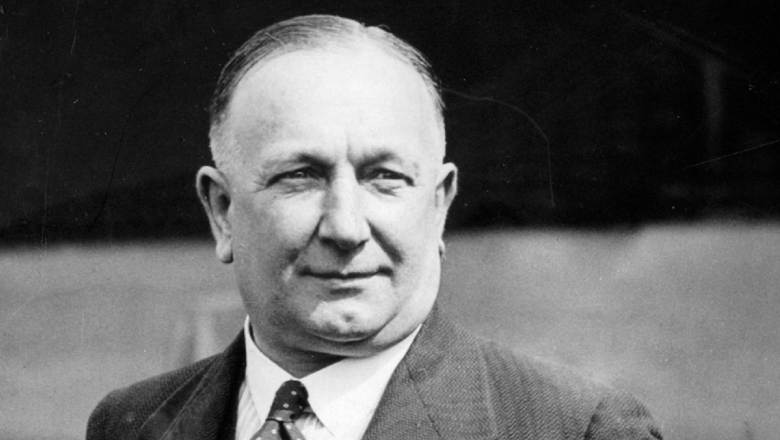
1. Herbert Chapman (England)
One of the earliest and most influential formations in football was the WM system, also known as 3-2-2-3, created in the mid-1920s by Herbert Chapman while managing Arsenal. This system introduced a more organized defensive structure, combining zonal ideas with man-marking, and allowed teams to transition more effectively between defense and attack. The WM formation dominated football until the 1950s, before being replaced by systems such as the 4-2-4 used by Brazil and Hungary. However, Chapman’s ideas about a true center-back and midfield control remain a foundation of modern football tactics.
2. Viktor Maslov (Soviet Union)
In the 1960s, when the 4-2-4 formation was widely used, Viktor Maslov at Dynamo Kyiv decided to adjust the system by moving the two wide forwards deeper into midfield, creating a 4-4-2 shape. He instructed his players to control space instead of marking a specific opponent and to press immediately after losing possession. These principles can be seen as early foundations of modern pressing and Gegenpressing. Maslov’s 4-4-2 became one of the most common formations in world football for decades, especially in England, and remained influential well into the modern era.
3. Helenio Herrera (Argentina/Italy)
Helenio Herrera popularized the Catenaccio system in the 1960s. In this tactical approach, a sweeper was positioned behind a four-man defensive line, free to cover teammates and clear danger. After regaining possession, the team would launch direct counter-attacks with long passes into open space. Although often criticized for its defensive nature, this system had a major impact on Italian football and established counter-attacking as a respected and effective strategy.
4. Rinus Michels (Netherlands)
Rinus Michels is widely regarded as the father of Total Football in the 1970s, a tactical revolution that removed strict positional limits. His system required players to constantly rotate positions, press collectively, and control space across the pitch. Every player had to understand multiple roles and cover for teammates when necessary. The rise of Total Football challenged defensive systems like Catenaccio and laid the foundation for many modern attacking philosophies.
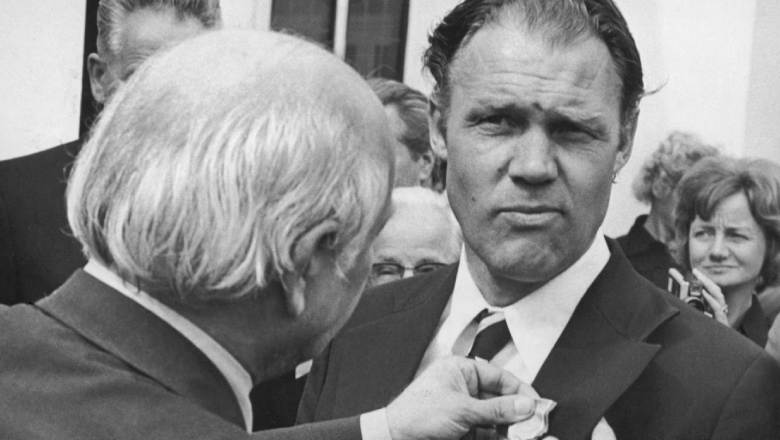
5. Arrigo Sacchi (Italy)
Arrigo Sacchi also used a 4-4-2 system but focused heavily on compactness and coordinated movement. His teams moved as one unit, responding to the position of the ball rather than following individual opponents. Sacchi emphasized a high defensive line and organized pressing, creating effective offside traps. His approach became a key reference for modern defensive blocks and structured pressing systems.
6. Johan Cruyff (Netherlands)
Following in Michels’ footsteps, Johan Cruyff developed Total Football further and adapted it with his own philosophy. He preferred a 3-4-3 system with a diamond-shaped midfield to create passing triangles and control possession. Cruyff promoted ideas such as positional play, the use of a sweeper-keeper, and the False Nine role. His tactical thinking later influenced possession-based systems, including what became known as Tiki-Taka.
7. Valeriy Lobanovskyi (Ukraine)
Valeriy Lobanovskyi introduced a scientific and data-driven approach to football in the 1970s. He used early computer analysis to study matches and measure performance indicators such as passes, shots, and defensive actions. Training programs were designed based on physical and biological data. His structured and analytical method laid important groundwork for the development of modern sports science in football.
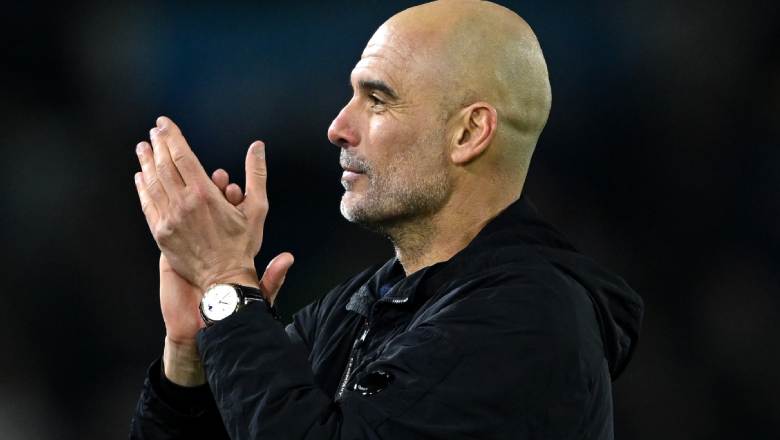
8. Pep Guardiola (Spain)
Pep Guardiola inherited the philosophies of Michels and Cruyff and adapted them to modern football. At clubs such as FC Barcelona and Manchester City, he implemented positional play with strong emphasis on ball control and pressing. He introduced tactical innovations such as inverted full-backs moving into midfield and defenders stepping forward to create overloads. Guardiola continues to refine his tactical system and remains one of the most influential managers of his era.
9. José Mourinho (Portugal)
José Mourinho brought back a pragmatic and highly organized defensive approach. His teams often defended deep with compact lines, focusing on discipline and structure. He preferred to concede possession and wait for the right moment to counter-attack, exploiting the space left by opponents. Combined with strong psychological management and media presence, Mourinho became one of the most successful and distinctive coaches in modern football.
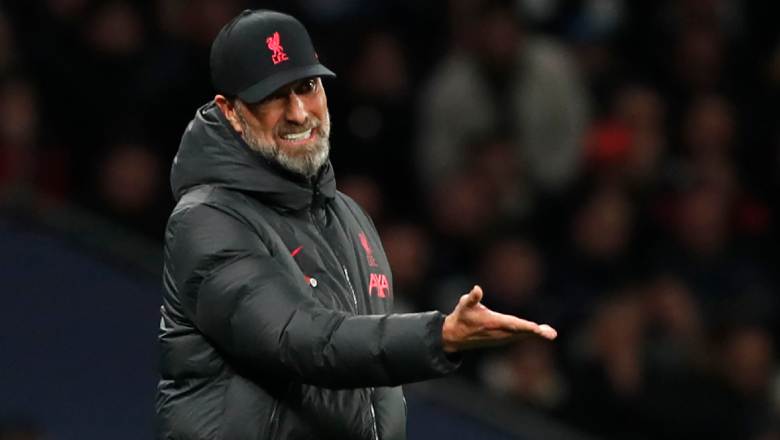
10. Jürgen Klopp (Germany)
Although he did not invent Gegenpressing, Jürgen Klopp elevated and modernized it. His teams apply immediate pressure after losing possession, aiming to recover the ball quickly and attack before the opponent reorganizes. Klopp believes the moment an opponent regains the ball is when they are most vulnerable. This high-intensity system brought major success at Borussia Dortmund and Liverpool FC, establishing him as one of the most influential tactical minds in modern football.
In the article above, LiveScore CZ reviews the Top 10 best football managers of all time. To read more information about football odds and related content, please follow our page through the provided link.
The Most Popular
-
 How many games are there in a Serie A season?
 -
 Why football is not popular in India?
 -
 Ranking Portugal's biggest defeats in football history: A 10-goal disaster in Lisbon, the day Muller ‘humiliated’ Pepe
 -
 Ranking the best players of the 21st century football: Shock over Ibrahimović’s position, Messi’s place is unquestionable
 -
 5 players who played for Real Madrid and Man City: Including Champions League hunters and Etihad history makers
 -
 Is Ronaldo a winger or striker?
 -
 Spain national team squad for the 2026 World Cup predicted: Do Carvajal and Williams still deserve?
 -
 Why did Ibrahimovic leave Barcelona?
 -
 How much did Arsenal pay for Odegaard?
 -
 How much did PSG pay for Ousmane Dembele?